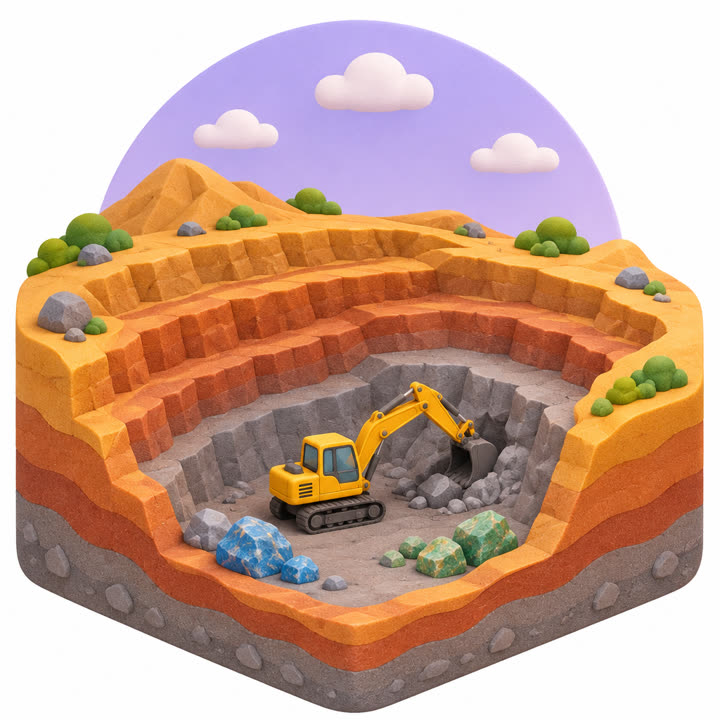
Open-pit
mining
Digging for lithium and cobalt strips land, drains water tables and scars whole valleys.
An honest look at the cells in your drawer, and where they go after the bin. Scroll to look inside
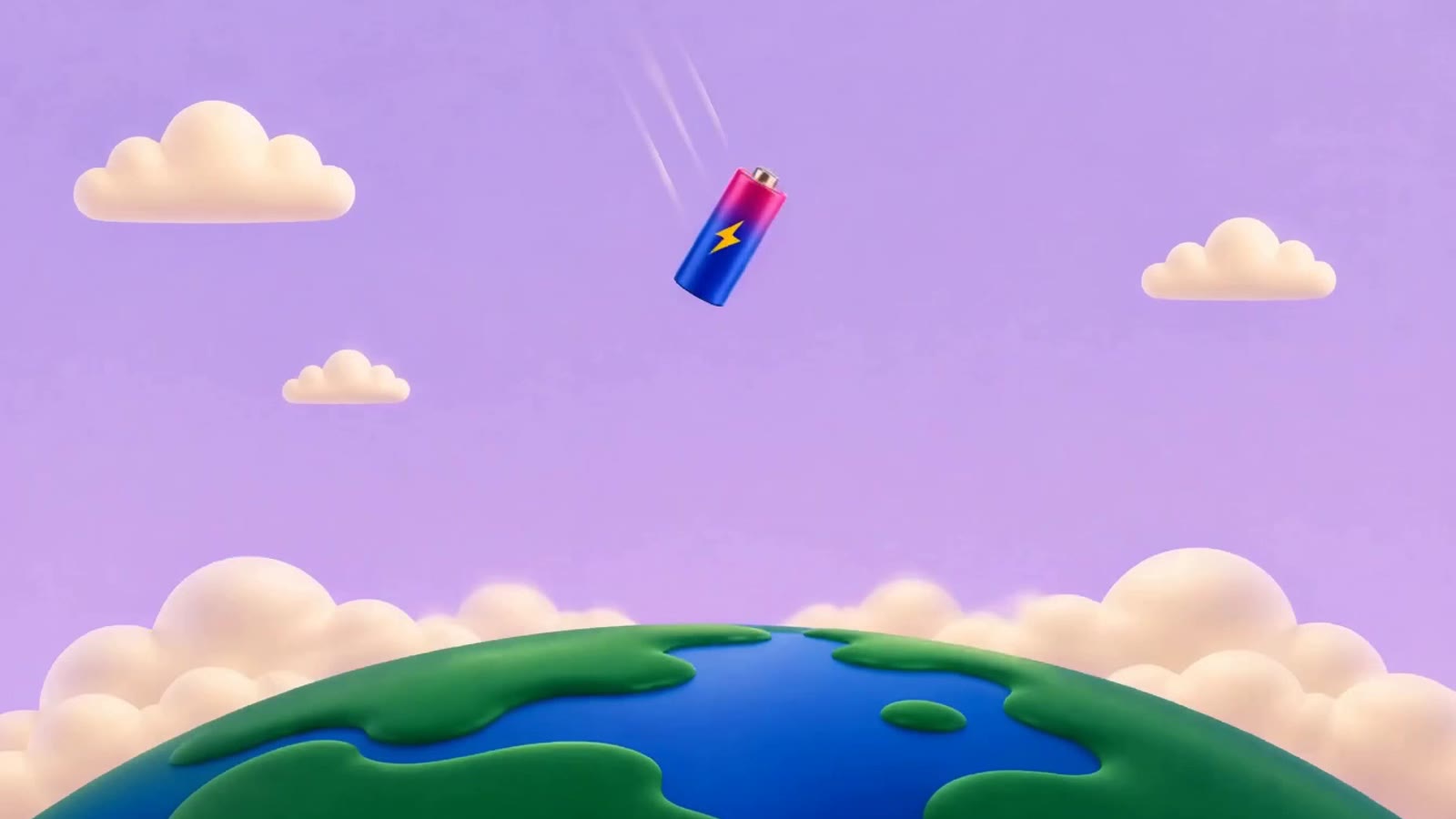
Every battery we toss leaves a mark long after it stops working. From the mine to the landfill, this is the price we rarely see on the packet.
Sample figures for this layout. Replace them with sourced data before publishing.
single-use cells sold around the world each year
used cells that never reach a collection point
more household battery waste than a decade ago
a sealed cell can lie in a landfill before it breaks down
One small coin cell can hold enough mercury to taint 400,000 litres of water, about the size of a 25‑metre pool.
Sample fact for this layout. Check the figure against a current source before going live.
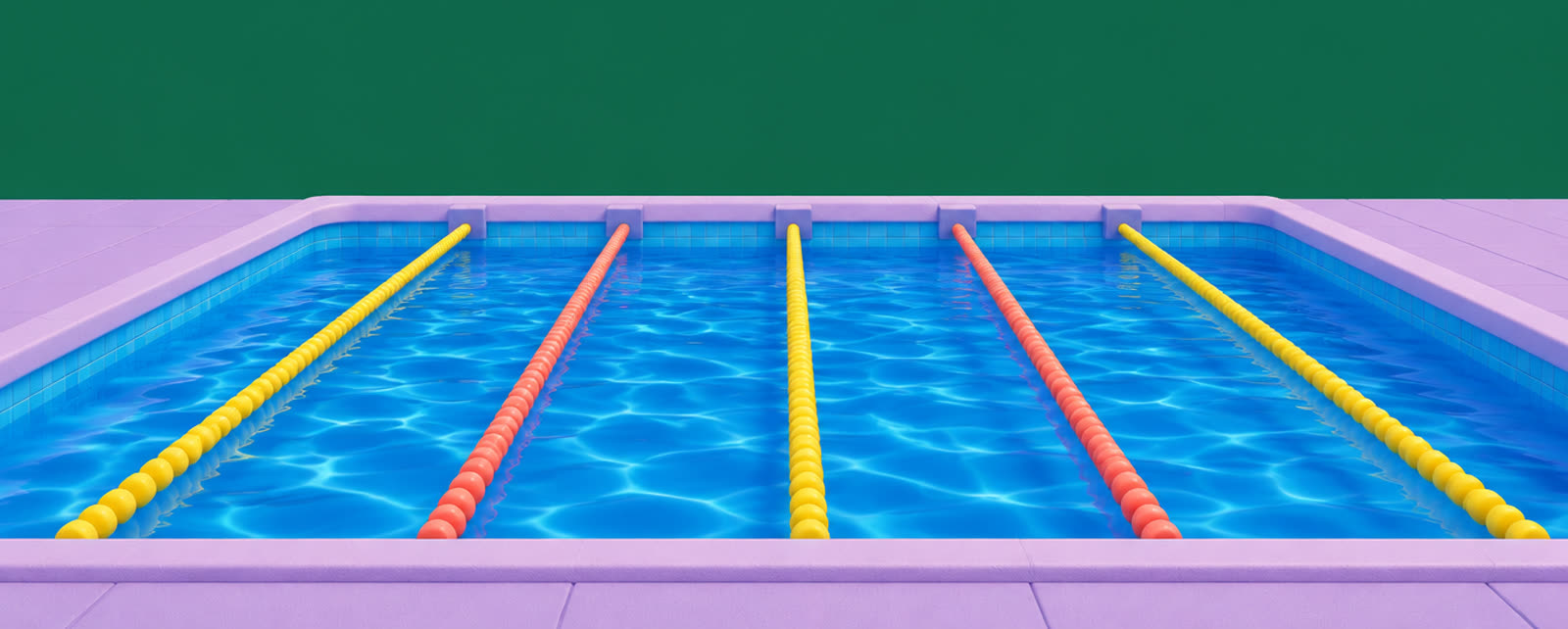
Digging for lithium and cobalt strips land, drains water tables and scars whole valleys.

Cracked casings let heavy metals seep into ground water, rivers and drinking supplies.

New mines clear forest and grassland, and the wildlife living there has nowhere to go.
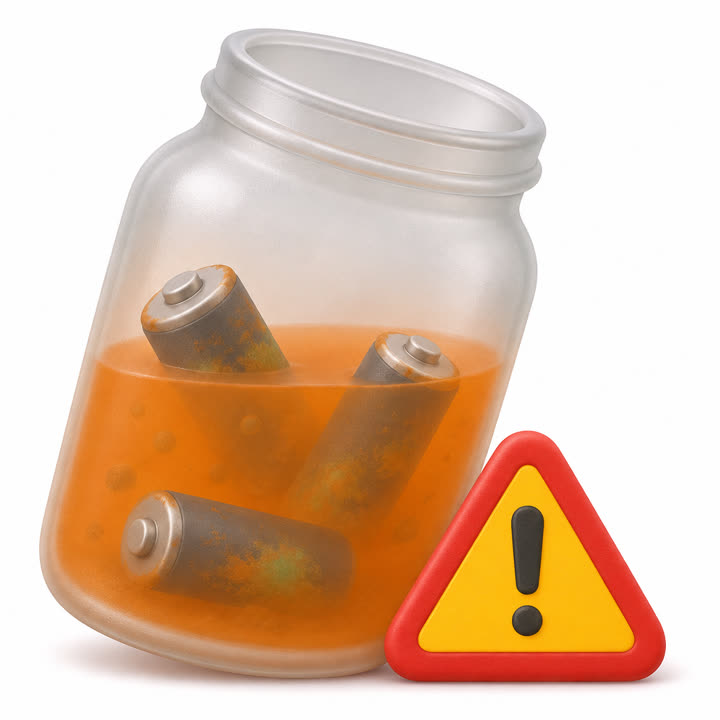
Binned cells pile up in landfills, where heat and rain slowly break them open.

Follow a single cell from the kitchen bin to where it actually lands.
Small habits, real difference. Three things that genuinely help, starting today.
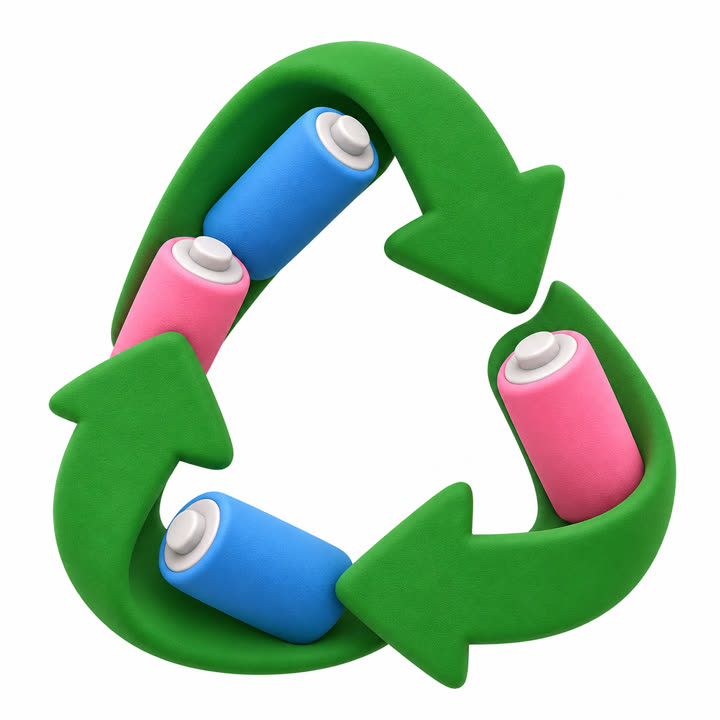
Drop used cells at a collection box. Recyclers recover most of the metals for new batteries.
Tape the ends of lithium and 9-volt cells before you store them, and keep a jar by the door so the trip happens.

Most people still bin batteries without a second thought. One quick word changes that.
Set up a collection jar at work or school and share the finder below with the group chat.

A single rechargeable cell can stand in for hundreds of single-use ones over its life.
Pick low self-discharge cells for remotes and clocks, and a charger that stops when the cell is full.
Tell us your postcode and what you have in the drawer. We send the three closest collection points that accept it.